What is the Purpose of Meditation and Other Common Questions
People often ask for my advice about meditation—when to do it, how to sit, what to do about thoughts, as well as "What is the purpose of

People often ask for my advice about meditation—when to do it, how to sit, what to do about thoughts, as well as "What is the purpose of meditation?" Here, I’ve compiled a few of the questions people often ask about meditation. I hope my answers will help demystify the practice and assure you that anyone can meditate.
Meditation is a tool and a pathway. It’s a tool for us to receive physical and emotional benefits, such as stress relief, heightened creativity, better sleep, and improved mood and memory—to name just a few. It’s also the pathway to discovering who we truly areas we connect with our spiritual essence.
What is the purpose of meditation?
People are drawn to meditation for many different reasons. Some begin meditating because they’re seeking health benefits such as lowered blood pressure, reduced stress, and more restful sleep. Others come to the practice for relief from the fearful, angry, or painful thoughts that often flood their minds. Still others come in search of greater self-understanding and expanded states of consciousness.
It is accurate to say that the purpose of meditation depends on the meditator—but it is also true that anyone who meditates regularly receives profound benefits on the physical, mental, emotional, and spiritual levels.
Meditation isn’t a random or chaotic experience. On the contrary, it is a systematic process that allows the mind to experience its nonlocal source, the field of pure potentiality. That is why meditation can be taught—and why it produces repeatable results.
How can I stop my thoughts during meditation?
Many people who are new to meditation have a preconception that meditation is about “quieting the mind” or completely stopping their thoughts. In fact, the first time you settle down to meditate, you may be surprised by how many thoughts you have and how much activity is going on in your mind.
Rather than becoming frustrated or doubting whether you’re “doing it right,” be assured that almost no one sits down and experiences silence and stillness for their entire meditation. It’s a deepening process of drifting from thoughts to silence and back again. As you meditate regularly, you will find that you spend more and more time in an expanded state of restful alertness and inner quiet.
When is the best time to meditate?
Morning and evening coincide with our body’s quieter rhythms. Our body knows how to be still; we just have togive it the opportunity. By establishing and maintaining a daily practice of meditating each morning and evening, you will begin and end your day with an experience of silence and rejuvenation. This will benefit every aspect of your life.
How should I sit?
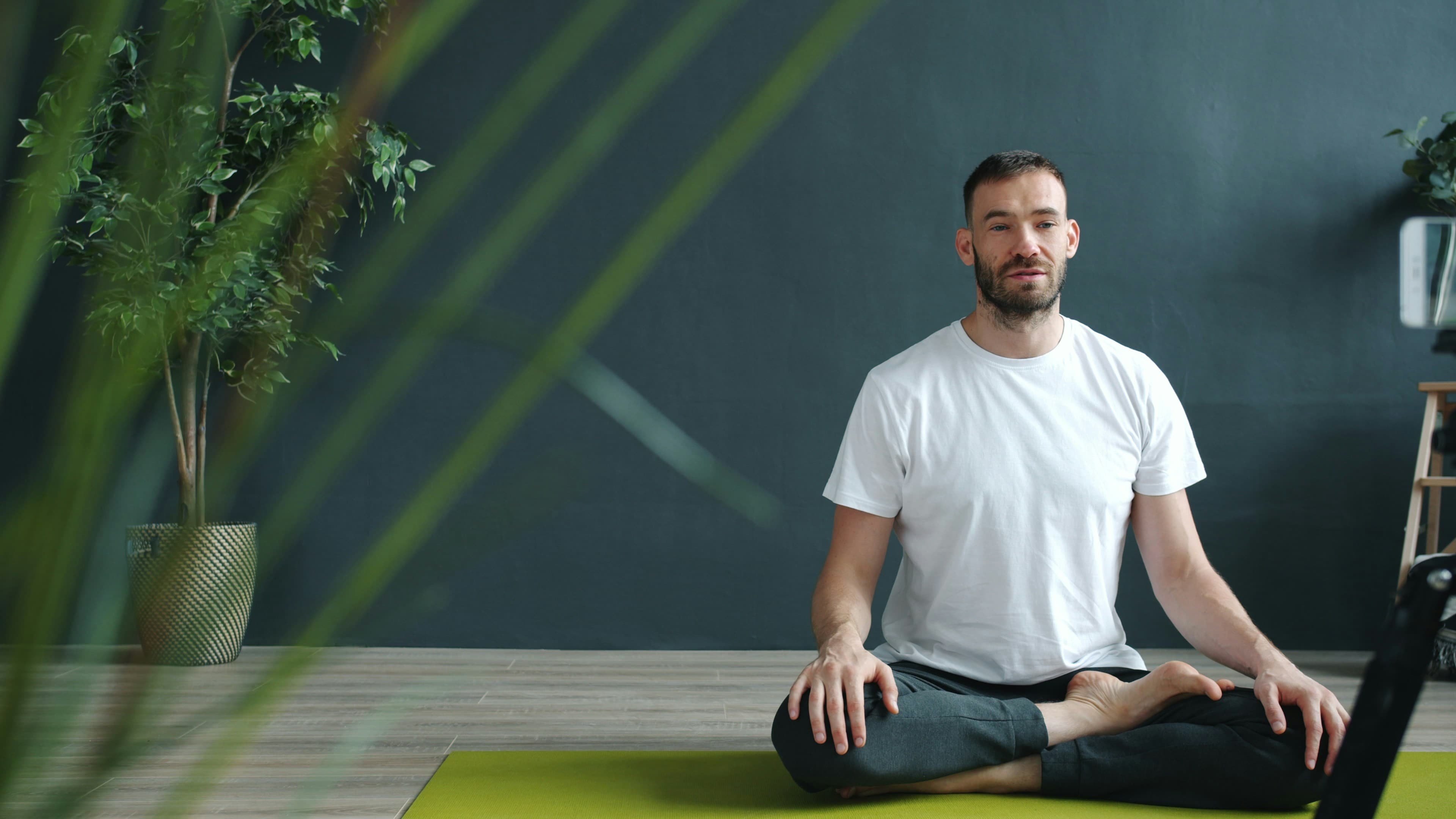
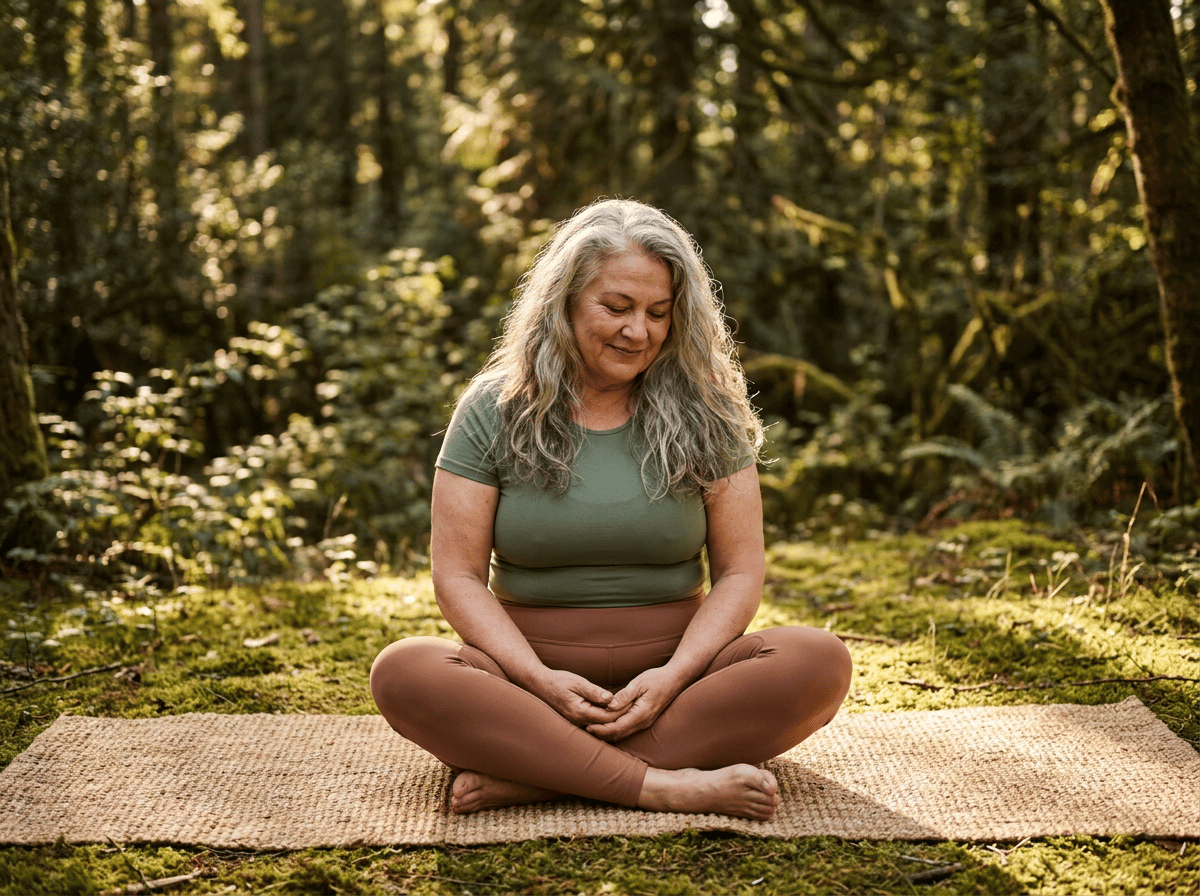
Being comfortable is most important. It is preferable to sit up straight on the floor or in a chair to help cultivate alertness; the mind has been conditioned to sleep when the body is lying down, so you may feel sleepier in this position. But if for some reason you need to lie down, that is fine. Whatever posture you choose, your hands can relax on your lap, with your palms up—or in whatever position feels most comfortable.
How can I stop procrastinating and start meditating?
To get past excuses and delays, don’t base your choice to meditate—or not—on your mood. Instead, make meditation a routine like any other. Set a time that you can stick to each day. For example, you might commit to meditating from 7:00to 7:30 every morning and from 5:30to 6:00 every evening.
Try to meditate in the same space every time. Make the practice automatic by sandwiching it between 2things you have todo anyway, like showering in the morning and eating breakfast afterwards. If you know that after showering you must meditate before eating breakfast, then you won’t worry about being in the "right” moodfor meditation—you’ll just do itas a natural part of your morning.
Meditation is a time you can look forward to. The process of meditation itself will provide the perfect experience for your growth every time you sit down to the practice. And as you become more peaceful, open, and loving, the whole world will benefit.
What is the difference between meditation and spending time in silence?
Meditation is a reliable means of contacting the silence of our inner self. Practicing silence can mean almost anything, depending on one’s present state of consciousness. For some rare individuals, it can be simply closing the eyes and connecting to silent awareness beyond thought and mind. For most people, it can be closing the eyes and thinking about silence amid other thoughts. But thoughts of silence are still mental activity and not actual silence or stillness. Without a traditional technique like meditation, which takes the mind beyond itself, silence is usually just another thought, not a transcendent experience.
I have a difficult time staying awake when I meditate. Do you have any insights or recommendations?
Go ahead and let yourself sleep if you feel a strong urge to nod off during meditation. It’s not a good idea to force yourself to stay alert. Even if you don’t have a sleep deficit from the night, sometimes you can go through a period of meditation where your body requires an experience of sleep inorder to release a particular quality of conditioning. Don’t worry about it; just let the body shift into the state it needs, and when that conditioning or stress has been cleared, then your meditations will resume their usual character.
When I meditate, I am always wondering if I am doing it correctly. This distracts me and makes it hard to pay attention to my mantra. How can I change this?
The simplest way to determine if you are meditating correctly is to ask yourself if you are meditating easily and effortlessly. Your attention should be fluid and relaxed, not rigid or fixed. Remember that the mind needs to wander off, get distracted, and lose focus in order foryour awareness to move from the surface level of the mind to the deeper, expansive realms of consciousness where you open upto your greatest potential.
When you become aware that you are no longer thinking the mantra, that is your indication to gently return your attention to the process and start the cycle over again. If you maintain an easy frame of mind as you lose the mantra and then return to it, then you are meditating correctly. Whatever that meditation process brings you is governed by the intelligence of the cosmos and is exactly what you need at that time.
I’ve been meditating for some time. At first, I was 100% committed and didn’t miss a meditation. Now, I find myself feeling fidgety and have been sleeping through some of my meditations—or skipping them altogether. I know meditation has significant benefits, so I’m eager to rekindle my inspiration. What would you suggest?
It helps if you can make your meditation practice independent of your moods and motivations. If it becomes an automatic routine in your day, like washing your face and brushing your teeth, then you will be able to derive the cumulative benefits of meditation without having to rely on the need to feel positive or rested. It’s normal to go through periods of being more inspired and times when we are less inspired. Over time, we all have some fidgety meditations, but those meditations are still beneficial. We shouldn’t deny ourselves those evolutionary opportunities just because we judge them as less than ideal. That is the value of simply sticking with your practice through all the ups and downs.