Pitta Dosha: Your Comprehensive Guide to Balance
A Comprehensive Guide to Pitta Dosha In Ayurveda, understanding your constitution—known as your prakriti —is central to maintaining balance, health,


A Comprehensive Guide to Pitta Dosha
In Ayurveda, understanding your constitution—known as your prakriti—is central to maintaining balance, health, and vitality. Among the three primary doshas (Vata, Pitta, and Kapha), Pitta dosha represents the energy of transformation. It governs digestion, metabolism, and the body’s ability to process not only food, but also emotions, experiences, and information.
This guide offers a thorough exploration of Pitta dosha—its qualities, how it manifests in the body and mind, signs of imbalance, and practical strategies to restore harmony.
 What Is Pitta Dosha?
Pitta is composed of the elements fire and water, combining heat with a subtle fluidity. It is responsible for all forms of transformation in the body, including:
Digestion and metabolism
Body temperature regulation
Hormonal balance
Vision and perception
Cognitive processing and discernment
At its core, Pitta is the force that converts—turning food into energy, thoughts into decisions, and ambition into action.
Key Qualities of Pitta
In Ayurveda, each dosha is defined by a set of qualities (gunas). Pitta’s primary qualities include:
Hot
Sharp
Intense
Light
Oily
Spreading
Slightly liquid
These qualities provide a blueprint for understanding both the strengths and imbalances of Pitta.
Characteristics of a Pitta Constitution
Individuals with a dominant Pitta dosha tend to embody the energy of focus, intensity, and transformation.
Physical Traits
Medium build and muscular tone
Warm body temperature; tendency to feel overheated
Strong digestion and appetite
Oily or sensitive skin; prone to redness or acne
Sharp, penetrating eyes
Premature graying or thinning hair
Mental and Emotional Traits
Intelligent, perceptive, and articulate
Goal-oriented and driven
Strong leadership abilities
Decisive and organized
Passionate and focused
At their best, Pitta individuals are visionary leaders—capable of turning ideas into tangible outcomes.
Signs of Balanced Pitta
When Pitta is in balance, it expresses its highest qualities:
Strong digestion and steady energy
Clear thinking and sharp intellect
Healthy ambition and motivation
Confidence without aggression
Warmth and charisma in relationships
Balanced Pitta supports clarity, courage, and effective leadership.
Signs of Pitta Imbalance
Because Pitta is hot and intense, imbalance often arises from excess heat, both physically and emotionally.
Physical Symptoms
Acid reflux, heartburn, or ulcers
Inflammation or infections
Skin conditions (acne, rashes, rosacea)
Excessive sweating
Sensitivity to heat
Loose stools or diarrhea
Emotional and Mental Symptoms
Irritability or anger
Impatience and frustration
Perfectionism
Critical or judgmental tendencies
Burnout from overwork
Pitta imbalance often stems from overexertion, competition, and overstimulation, particularly in high-achieving individuals.
Common Causes of Pitta Imbalance
Understanding the root causes is essential for prevention and healing.
Lifestyle Factors
Overworking or lack of rest
Excessive screen time or mental stimulation
Constant goal pursuit without downtime
Competitive environments
Dietary Factors
Spicy, fried, or oily foods
Excess caffeine or alcohol
Sour or fermented foods
Skipping meals (which aggravates digestive fire)
Environmental Factors
Hot climates or prolonged sun exposure
High-pressure work settings
Intense or confrontational relationships
How to Balance Pitta Dosha
Balancing Pitta involves cooling, calming, and moderating intensity. The goal is not to suppress Pitta’s power, but to channel it sustainably.
Pitta-Pacifying Diet
Food is one of the most effective ways to regulate Pitta.
Favor These Foods
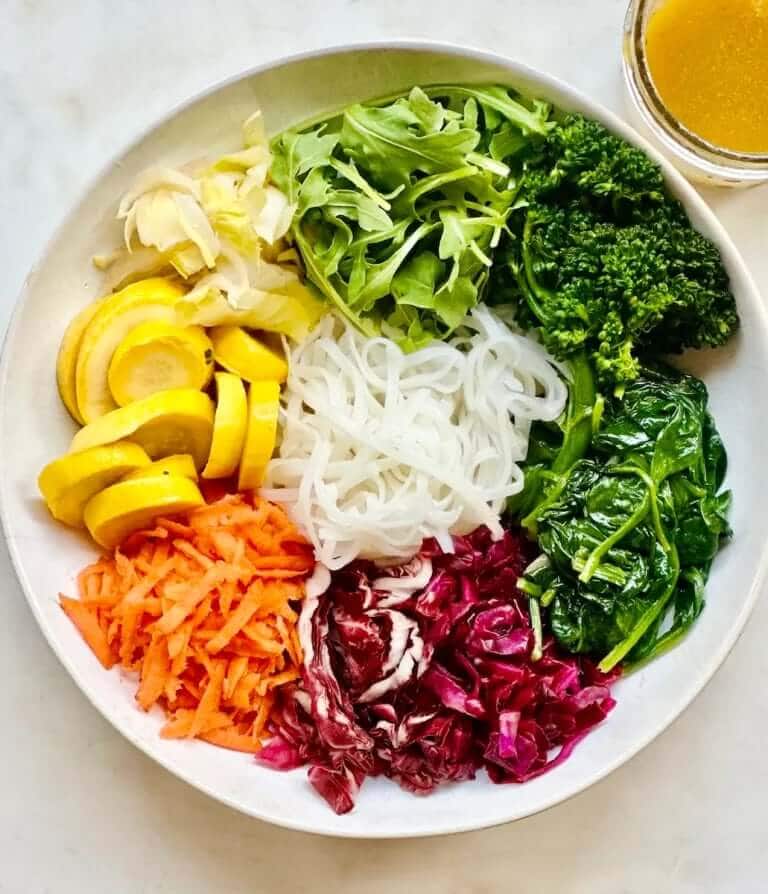
Cooling, hydrating foods
Sweet, bitter, and astringent tastes
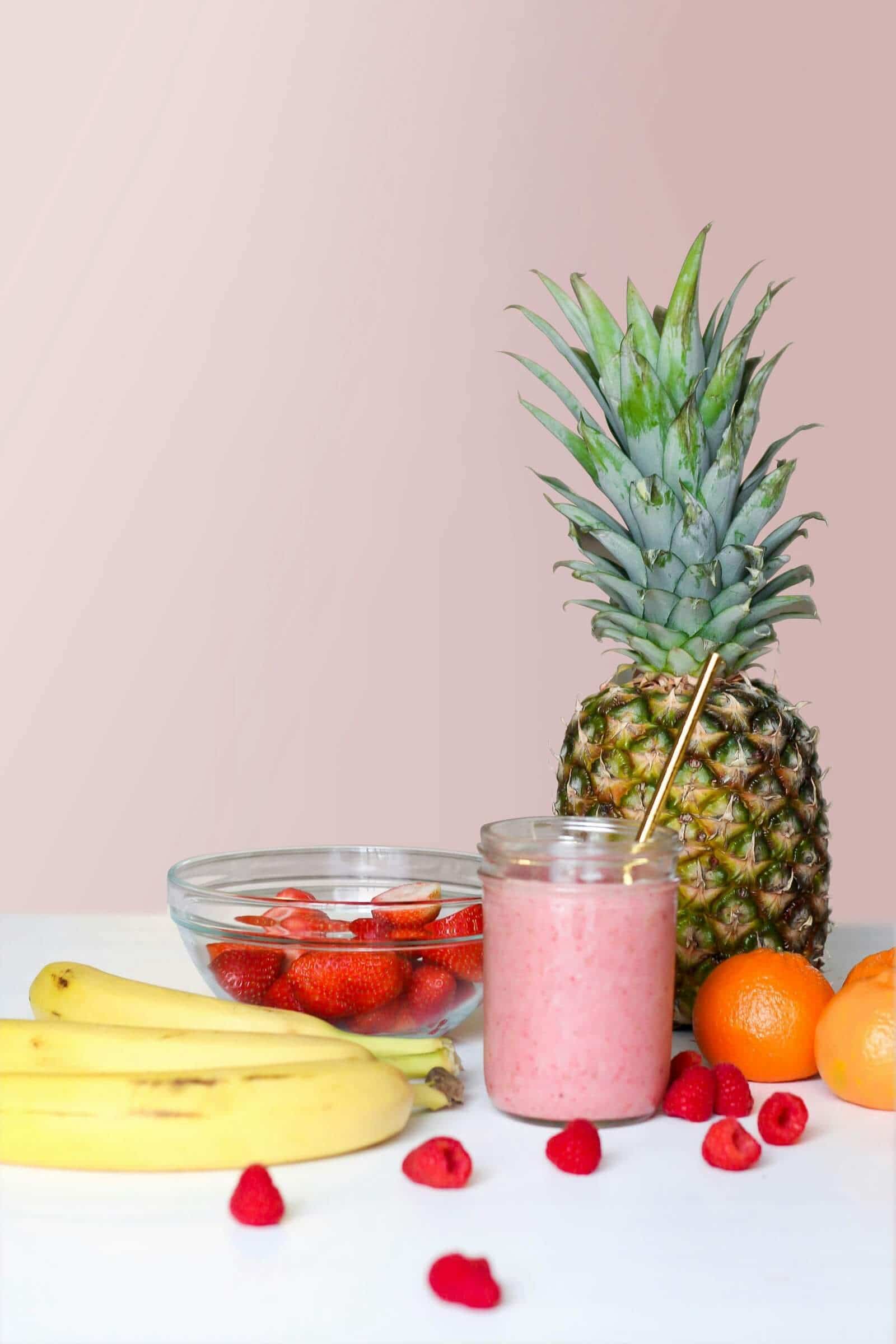
Fresh fruits (especially melons, berries, pears)
Leafy greens and vegetables
Whole grains like rice and oats
Dairy (if tolerated), such as milk and ghee
Coconut, cucumber, and mint
Limit or Avoid
Spicy foods (chilies, hot sauces)
Fried or oily foods
Alcohol and caffeine
Vinegar and fermented foods
Red meat and overly salty foods
Eating Habits
Eat at regular times—Pitta thrives on consistency
Avoid skipping meals
Eat in a calm environment (not while working or stressed)
 Lifestyle Practices for Pitta Balance
1. Prioritize Rest and Recovery
Pitta types often push themselves relentlessly. Building in intentional rest is essential.
Schedule downtime as seriously as work
Avoid late nights and over-scheduling
Take breaks throughout the day
2. Embrace Cooling Activities
Spend time in nature, especially near water
Take walks during cooler parts of the day
Practice gentle, non-competitive exercise
3. Moderate Intensity
While Pitta thrives on achievement, too much intensity leads to burnout.
Set realistic goals
Balance productivity with presence
Let go of perfectionism
Yoga for Pitta Dosha
Yoga can be a powerful tool to cool and balance Pitta energy.
Recommended Practices
Slow, grounding flows
Restorative yoga
Moon salutations instead of sun salutations
Gentle twists and forward folds
Avoid
Overly heated or competitive classes
Hot yoga environments
Intense, fast-paced sequences
The intention is to cultivate ease over effort.
Meditation and Mind-Body Practices
Because Pitta governs the intellect, calming the mind is essential.
Effective Practices
Mindfulness meditation
Breathwork (especially cooling pranayama like sheetali)
Guided relaxation or Yoga Nidra
Time in silence
Emotional Work
Pitta imbalance often shows up as anger or frustration. Practices that support emotional processing include:
Journaling
Compassion-based meditation
Conscious communication
Work and Leadership for Pitta Types
Pitta individuals are natural leaders—but their greatest growth comes from leading with balance.
Strengths in Professional Life
Strategic thinking
Execution and follow-through
Clear communication
High standards and accountability
Growth Edges
Delegating rather than controlling
Leading with empathy, not just efficiency
Avoiding burnout cycles
Creating collaborative—not competitive—environments
Balanced Pitta leadership is focused, fair, and visionary.
Relationships and Pitta Energy
In relationships, Pitta brings passion, loyalty, and intensity.
Strengths
Deep commitment
Honest communication
Protective and supportive nature
Challenges
Tendency toward criticism
Impatience with others’ pace
Desire to control outcomes
Balancing Strategies
Practice active listening
Cultivate patience
Focus on appreciation rather than correction
Seasonal Guidance for Pitta
Pitta is most aggravated during summer, when external heat amplifies internal fire.
Summer Tips
Stay hydrated
Avoid midday sun
Favor cooling foods and environments
Reduce intensity in work and exercise
Daily Rhythm
Pitta is strongest in the body between 10 AM–2 PM and 10 PM–2 AM.
Eat your main meal at midday (when digestion is strongest)
Avoid late-night work, which overstimulates the mind
Herbs and Natural Supports
Certain herbs can help soothe and balance Pitta.
Common Pitta-Pacifying Herbs
Aloe vera (cooling and soothing)
Brahmi (supports the mind and nervous system)
Coriander and fennel (aid digestion without heat)
Rose (cooling for both body and emotions)
Always approach herbal support thoughtfully, ideally with professional guidance.
The Deeper Purpose of Pitta
Beyond physiology, Pitta represents the inner fire of transformation.
When balanced, it fuels:
Purpose-driven action
Clear vision
Courage and leadership
Discernment and truth-seeking
When imbalanced, that same fire can become:
Burnout
Anger
Control
Excess pressure
The work of Pitta is not to extinguish the fire—but to tend it wisely.
Integrating Pitta Wisdom into Modern Life
In a culture that rewards productivity, ambition, and achievement, many people live in a chronically aggravated Pitta state, regardless of their constitution.
This makes Pitta-balancing practices universally relevant:
Slowing down without losing direction
Leading without dominating
Achieving without burning out
Staying cool in a heated world
Learn to Live in Balance
Pitta dosha is a powerful force of transformation. It gives rise to leaders, innovators, and change-makers—those who can see clearly and act decisively.
But its strength requires stewardship. Explore the Ayurvedic Foundations course to learn customized lifestyle practices to restore balance throughout your life.
By cultivating cooling, calming, and compassionate practices, Pitta becomes not just a force of action—but a force of aligned, sustainable impact.
In this way, Ayurveda invites us to move beyond simply managing symptoms—and toward a deeper relationship with our own nature, where balance becomes the foundation for everything we create.