How to Choose a Yoga Teacher Training: Your Essential Guide to Finding the Right Program
More than 7,000 yoga teacher training programs exist worldwide, yet many graduates report feeling unprepared to teach safely and confidently. When


More than 7,000 yoga teacher training programs exist worldwide, yet many graduates report feeling unprepared to teach safely and confidently. When it comes to how to choose a yoga teacher training, the right training doesn't just deepen your personal practice. It empowers you to teach with authenticity and confidence while supporting your career transition into meaningful work.
Yet selecting a yoga teacher training requires evaluating accreditation, faculty expertise, curriculum depth, and ethical standards. This guide provides an evidence-based checklist and clear red flags to help you compare programs systematically. You'll gain a step-by-step method to find training that aligns with your values and professional goals. Whether you're exploring preview sessions or reviewing certification requirements, discover how Gaja Collective supports your journey from personal practice to professional impact.

What to Look For in a Yoga Teacher Training Program
When you're wondering how to choose a yoga teacher training, it's easy to get distracted by beautiful studios and inspiring social media. But reputable trainings are built on specific, measurable foundations that support your learning journey and prepare you to teach safely and effectively. These standards help you identify courses that truly prepare you to teach versus those that simply offer certificates.
Accreditation That Means Something
Real accreditation involves transparent standards, not just a logo on a website. Yoga Alliance sets clear curriculum requirements for 200-hour courses, including specific hours for techniques, anatomy, philosophy, and ethics. Look for schools that openly share their accreditation status, provide detailed syllabi, and explain their assessment methods. Excellent trainings evaluate your understanding through practical teaching, written work, and demonstrated competency rather than just attendance.
Faculty With Verifiable Experience
Reputable courses feature lead trainers who hold advanced E-RYT 500 credentials (Experienced Registered Yoga Teacher with 500+ hours of training) and have substantial teaching experience across all required subjects. Check faculty bios for specific qualifications in anatomy, philosophy, ethics, and teaching methodology. Strong schools clearly identify who teaches what and provide opportunities to connect with instructors before enrollment. When looking at how to choose a yoga teacher training choose trainings where faculty credentials are clearly detailed and verifiable.
Comprehensive Structure and Ongoing Support
Excellent courses combine structured learning with personalized mentorship and ongoing community access. Look for supervised practicum hours, regular feedback sessions, and trauma-informed teaching approaches. Research shows that effective trauma-informed yoga training includes observation, co-teaching, and supervised solo teaching progression. This structured approach helps you develop skills gradually with proper support. Quality trainings typically span 16-20 weeks and demonstrate commitment to inclusive ethics, clear boundaries, and post-graduation mentorship that continues your teaching journey.
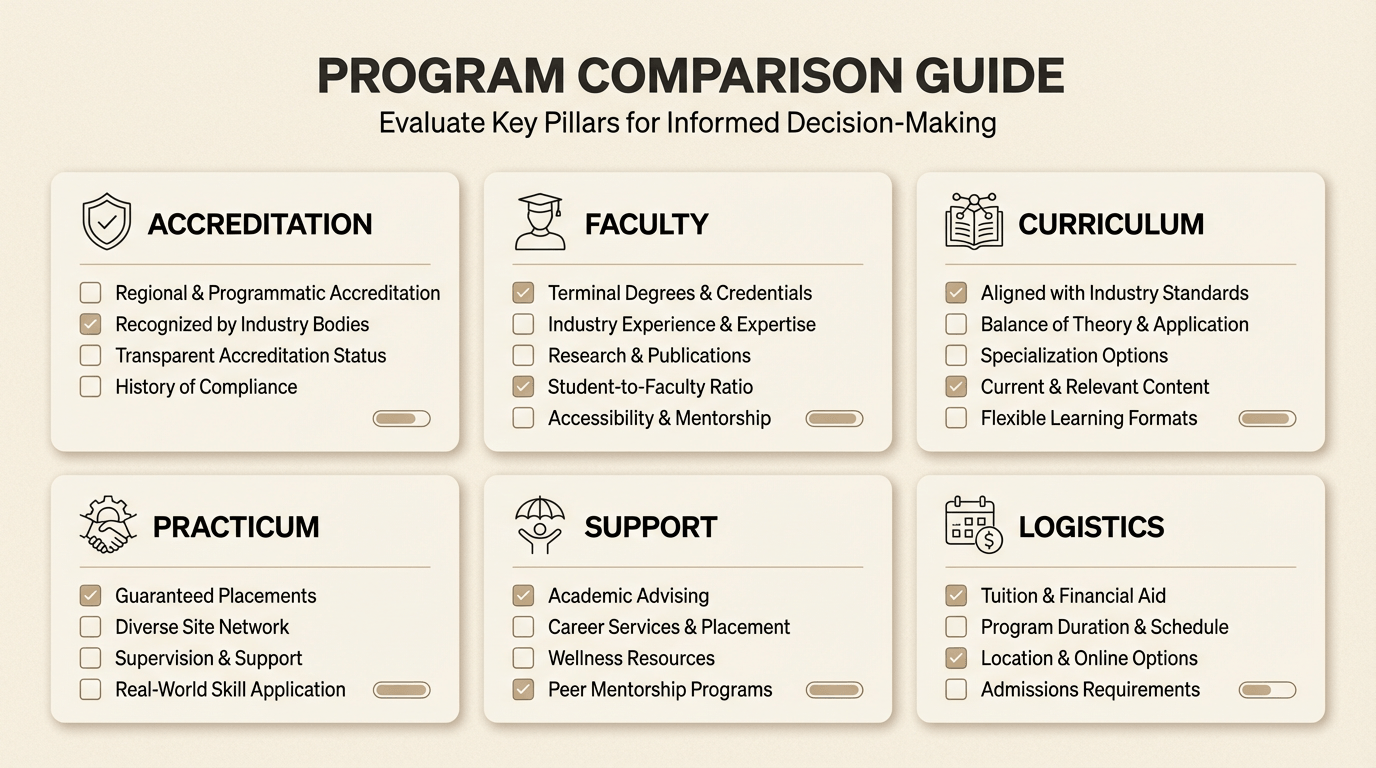
The Checklist: Accreditation, Faculty, Curriculum, Practicum, Support, and Logistics
This systematic checklist helps you compare programs objectively and make an informed choice. Each point reveals genuine educational quality beyond marketing promises.
Check accreditation status through the Yoga Alliance directory and confirm the program meets RYS standards for instructional requirements
Research lead trainer credentials including years of teaching experience, advanced certifications, and ongoing professional development
Assess faculty expertise across required subjects like asana, anatomy, philosophy, ethics, and teaching methodology with competency-based curriculum design
Confirm hands-on practicum with supervised teaching practice, live feedback sessions, and progressive skill building rather than only self-study components
Review program logistics such as cohort size for personalized attention, ethics policies, diversity commitments, tuition transparency, and refund terms
Programs like Gaja Collective's 200-hour Yoga Teacher Training and Breathwork Certification demonstrate these standards through Yoga Alliance accreditation, experienced faculty mentorship, and structured practicum. Now let's examine the red flags that should make you pause before enrolling.
Red Flags to Avoid in Yoga Teacher Training
While the checklist helps you identify quality programs, equally important is recognizing warning signs that indicate potential problems. These red flags yoga teacher training warning signs often signal deeper issues with program integrity or ethics.
Vague accreditation claims without specific registry numbers or licensing details you can independently verify
Unverifiable faculty credentials or instructors who refuse to share their training background and teaching experience
Absent ethics policies or dismissive responses to questions about sexual misconduct protocols and trauma-informed practices
Cult of personality marketing that centers around a single charismatic leader without transparent organizational structure or accountability
Hidden fees beyond advertised tuition, unclear refund policies, or pressure to purchase additional expensive materials
Trust your instincts, and when something seems concerning, don't hesitate to ask direct questions. Programs that avoid transparency, dismiss your concerns, or create pressure around enrollment often lack the ethical foundation needed for quality teacher training.
Yoga Teacher Training Accreditation and Fit: FAQs
Making the right choice feels easier when you have clear answers about verification, alignment, and practical comparison. These responses address the details that matter most for your professional development and finding the right fit.
How can I tell if a yoga teacher training is accredited and reputable?
Check the Yoga Alliance registry to verify the school's current RYS status and registration number. Evaluate transparent curriculum details that meet the required categories including anatomy, philosophy, and teaching methodology. Reputable programs also display faculty credentials openly and provide graduate testimonials with verifiable outcomes.
What should I look for to ensure a YTT aligns with my values and long-term goals?
Review the program's approach to inclusivity, trauma-awareness, and cultural respect in their materials and policies. Consider whether their teaching philosophy matches your vision for serving students. Programs like Gaja Collective's training emphasize evidence-based methods and community support, which align well with career transition goals.
How do I compare online, hybrid, and in-person YTTs for practice, feedback, and community?
In-person programs offer immediate connection and hands-on adjustments. Hybrid options combine scheduling flexibility with live practice components. Online programs work best when they include real-time sessions, peer practice groups, and structured mentoring rather than just recorded content. The benefits of some online trainings, like the Gaja Yoga Teacher Training and Breathwork Certification, is that you receive a digital library and lifetime access to online course materials and lectures to return to throughout your teaching career.
What questions should I ask during a consultation call with a training provider?
Ask about specific assessment methods, mentoring availability after graduation, and how they support different learning styles. Inquire about their approach to inclusivity and whether they offer payment plans or scholarships. Ask to connect with recent graduates to discuss their experience and career outcomes.
How do I know if the faculty has the right experience for my learning style?
Check for lead trainers with at least 1,000 teaching hours and diverse training backgrounds beyond just asana. Evaluate their experience with adult education, trauma-informed practices, and business mentoring. The best faculty members encourage questions, adapt to different learning needs, and model the inclusive values they teach.
Choose With Confidence: Align Your Training With Your Purpose
Armed with your checklist and red flag awareness, you can now approach your search with clarity. Start by shortlisting 2-3 programs that meet your accreditation standards and values. Schedule a brief conversation with each lead trainer to discuss their teaching philosophy, mentorship approach, and how they support career transitions.
Once you've completed these conversations, the right program will feel like a natural extension of your practice and professional aspirations. When you find a yoga teacher training that aligns with your values and goals, you'll feel aligned with their values and approach. Trust your instincts while honoring the practical criteria that protect your investment and future teaching career.
Ready to explore a program, that combines rigorous Yoga Alliance standards with heart-centered mentorship? Discover how accredited programs can support your transformation from dedicated practitioner to confident, skilled teacher with Gaja Collective.